Table of contents
Embarking on a mountain adventure demands more than just a spirit of exploration—it requires careful planning and the right equipment. Selecting suitable gear can transform a challenging ascent into a memorable experience, safeguarding both enjoyment and safety. Delve into the following guide to discover how every choice, from footwear to navigation tools, contributes to maximizing your mountain journey.
Understanding your mountain environment
Thorough assessment of mountain conditions is a fundamental step before assembling a gear checklist for any adventure. Examining variables such as high altitude, unpredictable weather changes, and the specific terrain type ensures both safety and efficiency. Altitude affects oxygen levels and temperature, while weather patterns can shift rapidly due to microclimate influences unique to mountainous areas. Taking time to research these elements helps in selecting clothing layers, navigation tools, and protective equipment suited for both current and sudden changes in the environment. Consulting up-to-date local resources and maps allows for better adaptation, reducing risks and enhancing the experience in challenging mountain environments.
Selecting proper clothing layers
When preparing for a mountain adventure, understanding the science behind clothing layers becomes vital for comfort and safety in ever-changing alpine environments. Mastering a layering system means selecting garments that address moisture wicking, thermal insulation, and weather protection, each playing a distinctive role. The base layer, often constructed from synthetic or merino fibers, excels in moisture wicking; it draws sweat away from the skin to keep you dry and maintain breathability, minimizing chilling from perspiration. Middle layers provide thermal insulation, trapping body heat while allowing excess moisture to escape, which is especially valuable during strenuous activity or sudden temperature drops. Outer layers focus on robust weather protection, utilizing advanced textiles that shield from wind, rain, and snow without sacrificing breathability. In sum, choosing high-performance clothing layers and understanding their interaction is vital to managing body temperature and moisture on the mountain, ensuring comfort and reducing risks associated with hypothermia or overheating.
Choosing functional footwear
Selecting the right mountain footwear is pivotal for comfort and safety on unpredictable terrain. When evaluating hiking boots or waterproof shoes, begin by considering fit: optimal footwear should securely cradle the heel while allowing natural toe splay, minimizing the risk of blisters and blackened toenails on long treks. Specialized outdoor footwear designers frequently highlight the role of proper ankle support, especially for challenging ascents or when traversing scree slopes, as it helps stabilize the foot and reduces the risk of sprains, particularly in those with excessive pronation. Material selection influences breathability and water resistance; synthetic fabrics offer lightweight, quick-drying benefits, while leather excels in durability and support. The sole’s tread pattern must align with planned routes—deep lugs deliver grip on muddy or loose ground, whereas shallower patterns are suited to rocky or maintained paths.
Podiatrists recommend trying on boots at the end of the day when feet are most swollen and bringing the socks typically worn during excursions for an accurate fit. Pay attention to the heel cup and arch shape to prevent issues related to pronation, and always test the flexibility of the sole: stiffer soles offer stability on rugged surfaces, while flexible soles make light trails more comfortable. When planning a trip to alpine destinations, such as the Swiss Alps, securing reliable gear is as crucial as proper preparation—services like ski rental verbier can be invaluable, ensuring high-quality equipment for a range of mountain activities and helping adventurers avoid potential pitfalls linked to inadequate gear choice.
Essential safety and navigation tools
Venturing into mountainous terrain demands reliable navigation tools and safety gear to safeguard your well-being. A topographic map paired with a traditional compass forms the backbone of route planning, enabling accurate orientation even when technology fails. Incorporating a GPS device into your pack adds an additional layer of precision, particularly in low-visibility conditions or unfamiliar areas. Every emergency kit should feature a robust headlamp with spare batteries, as reliable illumination is vital for safe movement after dark or in caves and dense forests. Emergency signaling devices, such as whistles, mirrors, or personal locator beacons, greatly increase the chances of a swift rescue if you become lost or immobilized. Combining these tools not only elevates your mountain safety but also enhances your confidence and preparedness in challenging environments.
Prioritizing load management
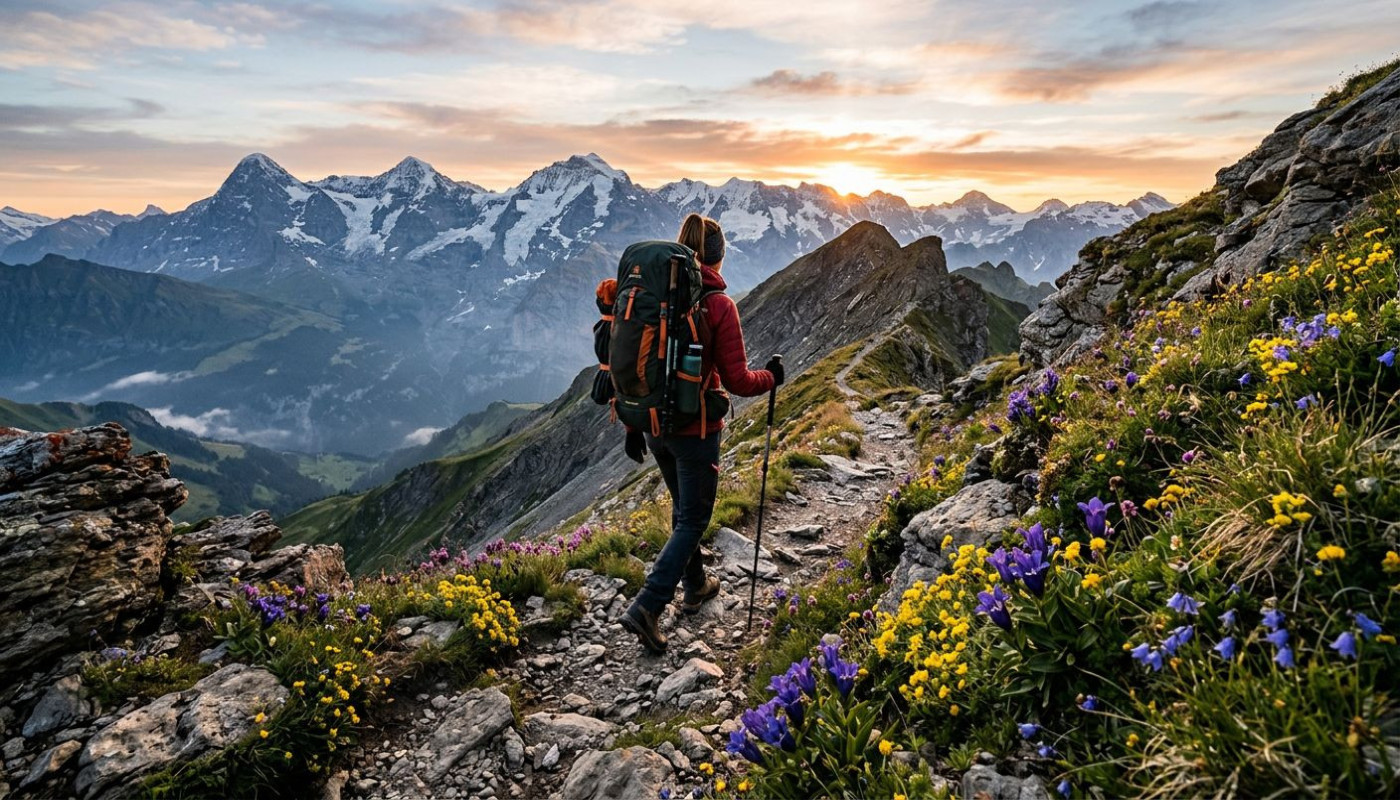
Effective backpack weight distribution is fundamental to a successful mountain adventure, directly impacting both balance and sustained energy levels during challenging terrain. Proper load management begins with strategic gear organization within the mountain backpack, ensuring that heavier items are positioned close to the center of gravity and near the user’s mid-back; this technique minimizes strain and promotes stability while navigating uneven paths. Utilizing an ergonomic design in modern backpacks further supports optimal weight allocation, as adjustable straps and supportive frames help tailor the fit to individual body shapes—reducing fatigue and risk of injury. A well-organized, technically designed mountain backpack not only safeguards comfort but also enhances overall performance, allowing adventurers to focus on the experience rather than cumbersome or inefficient gear setups.
Special attention to the subtle relationship between center of gravity and backpack weight can distinguish an enjoyable journey from a burdensome one. By evenly distributing equipment, including essential safety and hydration items, the pack remains balanced, reducing the likelihood of excessive torque on the spine or unnecessary muscular exertion. Ergonomics specialists emphasize the value of regularly reevaluating gear organization as conditions change or supplies are consumed, maintaining a consistent load and preventing sudden shifts in balance. Embracing these evidence-based strategies ensures that even during extended ascents or technical descents, adventurers remain agile and resilient against fatigue, optimizing every aspect of their mountain experience.
On the same subject